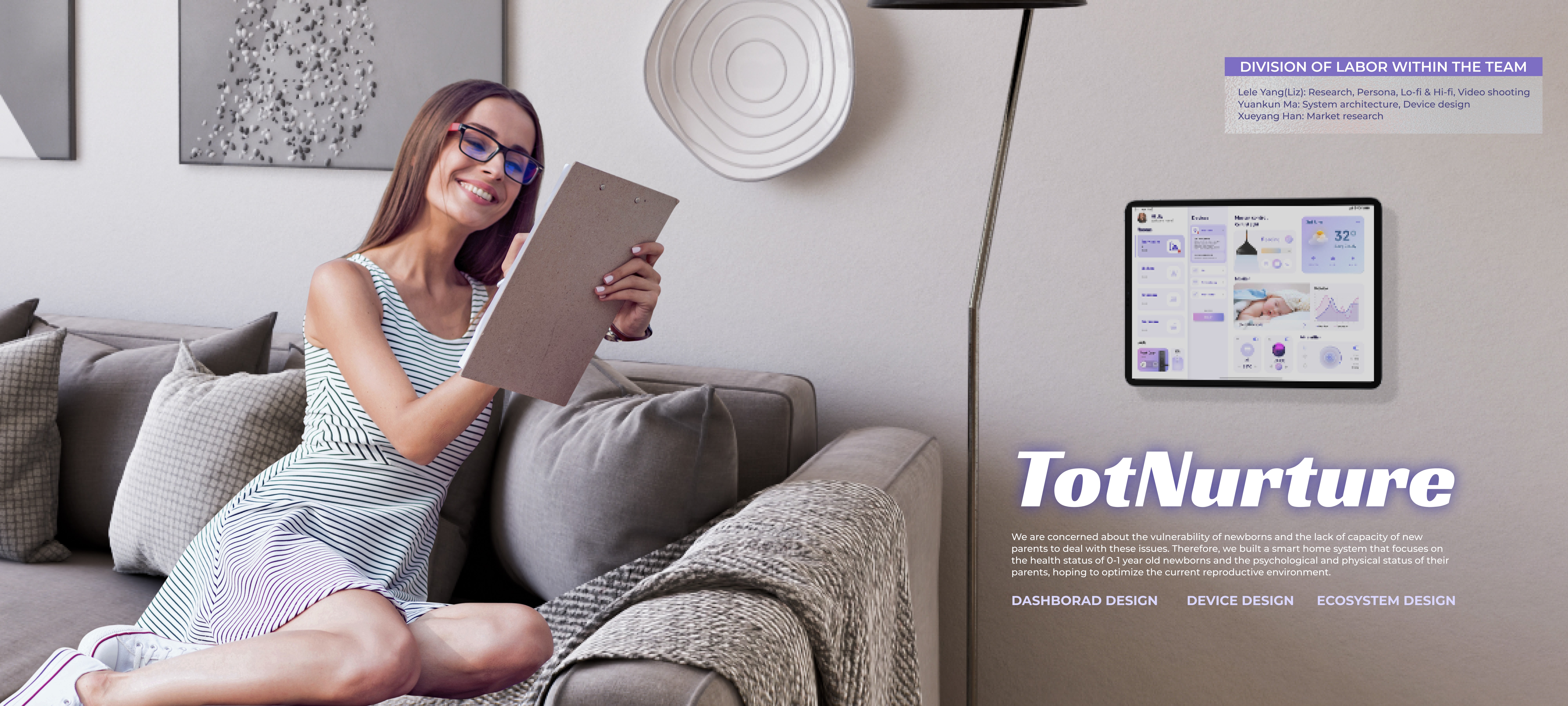
totnurture
We want to reach people who might not consider themselves “spiritual,” but who love meaningful design, visual tools, and personal insight. This includes students, artists, designers, journalers, and anyone who just wants a pretty and useful deck on their desk or shelf.
Research
In China, fathers are often absent from the time of birth.

Absent fathers also pose huge mental health risks to children and affect their futures. In Britain, 74.3% of children live with their mothers after separation, while 42% experience an absent father even without divorce. Around 6.6% experience paternal absence between ages 5–10, showing how early absence can affect children's mental health and future development.

In Mexico, changes in family structure are strongly linked to immigration and mobility. Fathers are often absent due to divorce, death, or migration—either within Mexico or to the United States. Despite these shifts, 61% of children still live with both parents, indicating a higher family stability rate compared to other groups.

User research
User Journey
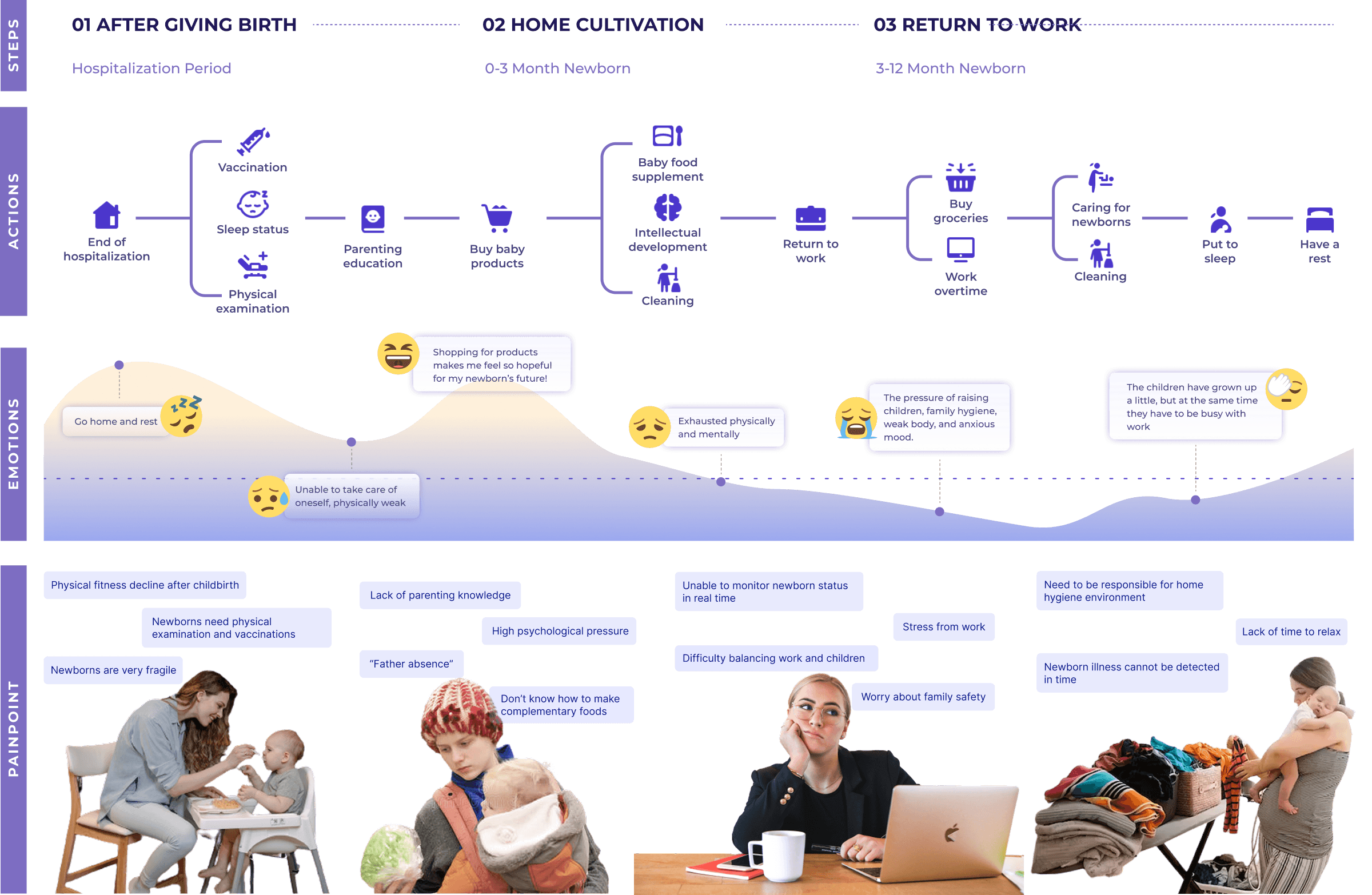
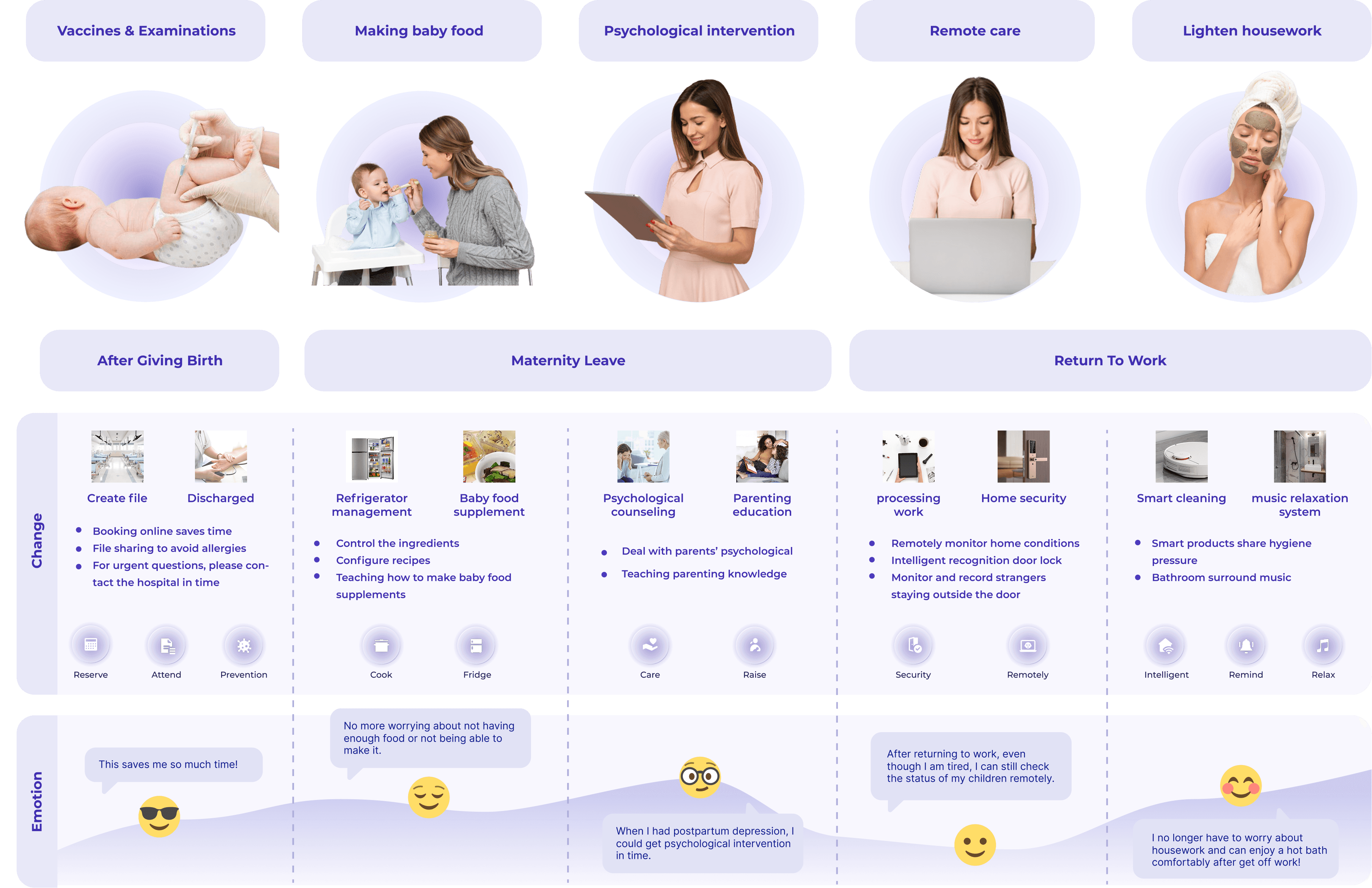
This user journey map illustrates the physical, emotional, and psychological experiences of mothers during the postpartum period. Across these stages, mothers face challenges such as physical weakness, lack of parenting knowledge, emotional exhaustion, and difficulty balancing work and childcare.
Questionaire & Interview
This paper investigated the difficulties encountered by contemporary mothers regarding "father absence", postpartum depression, and parenting support. In the survey, I found that more than 60% of mothers encountered difficulties in raising their newborns. And only 32% of mothers have received parenting training.
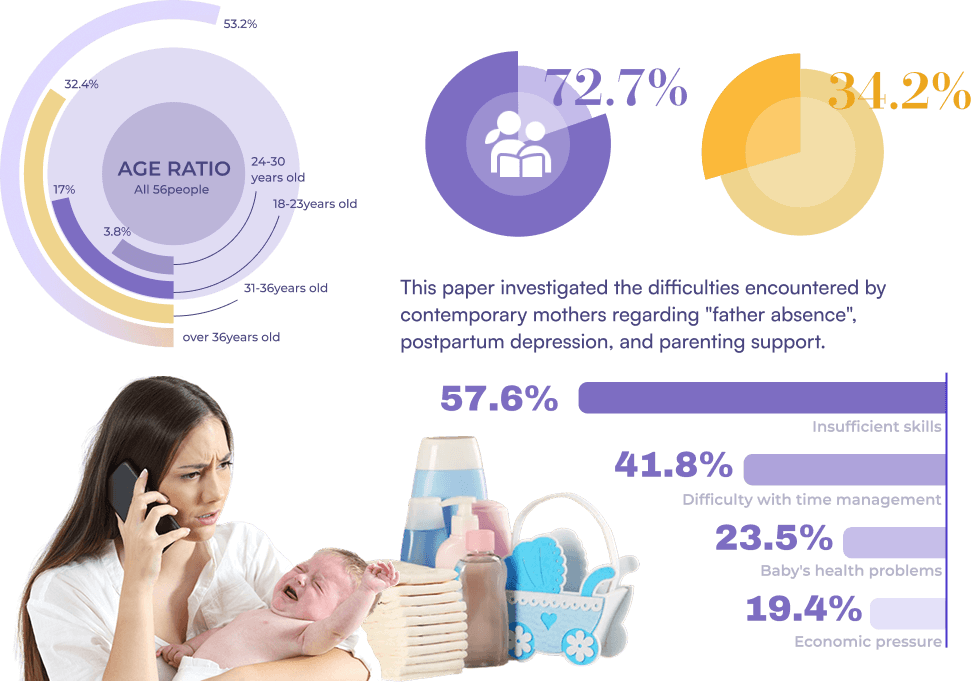
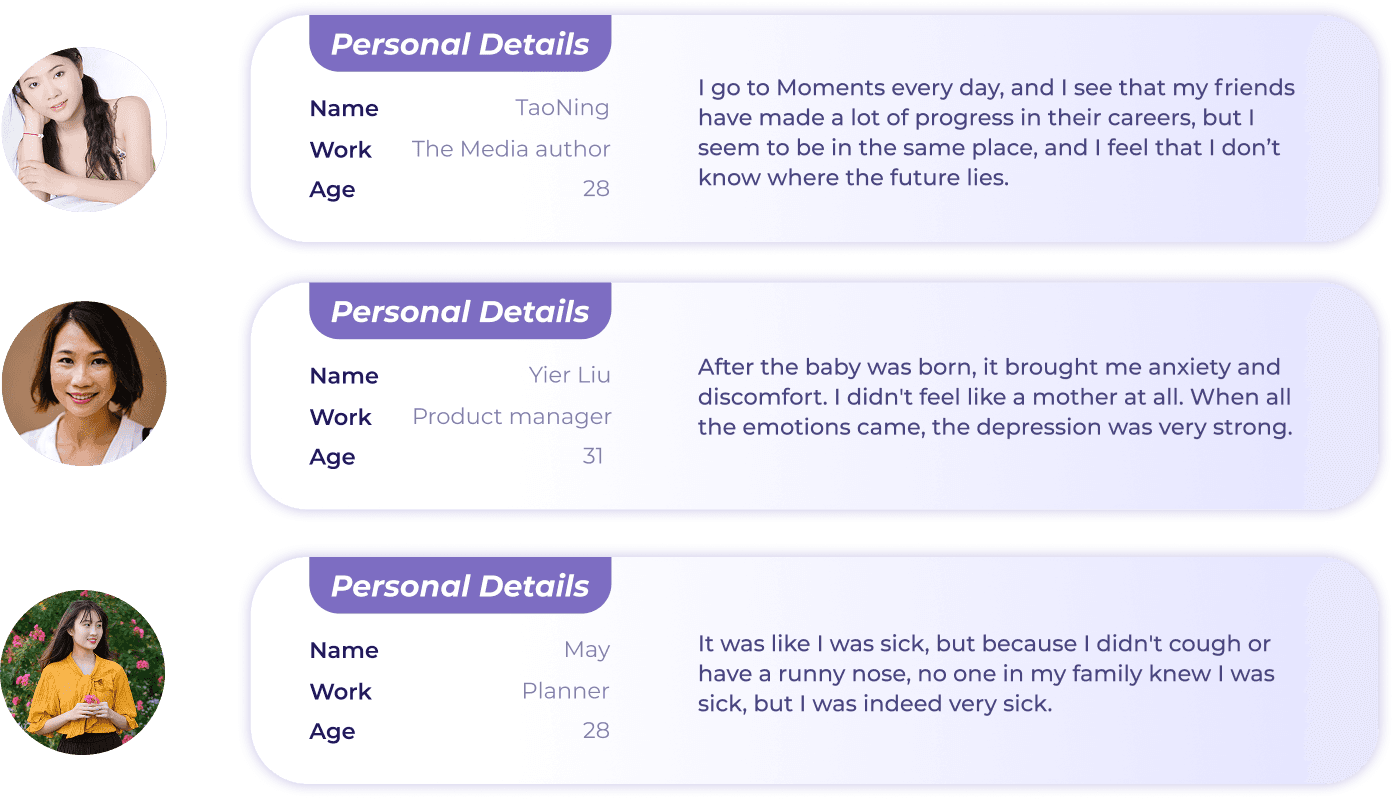
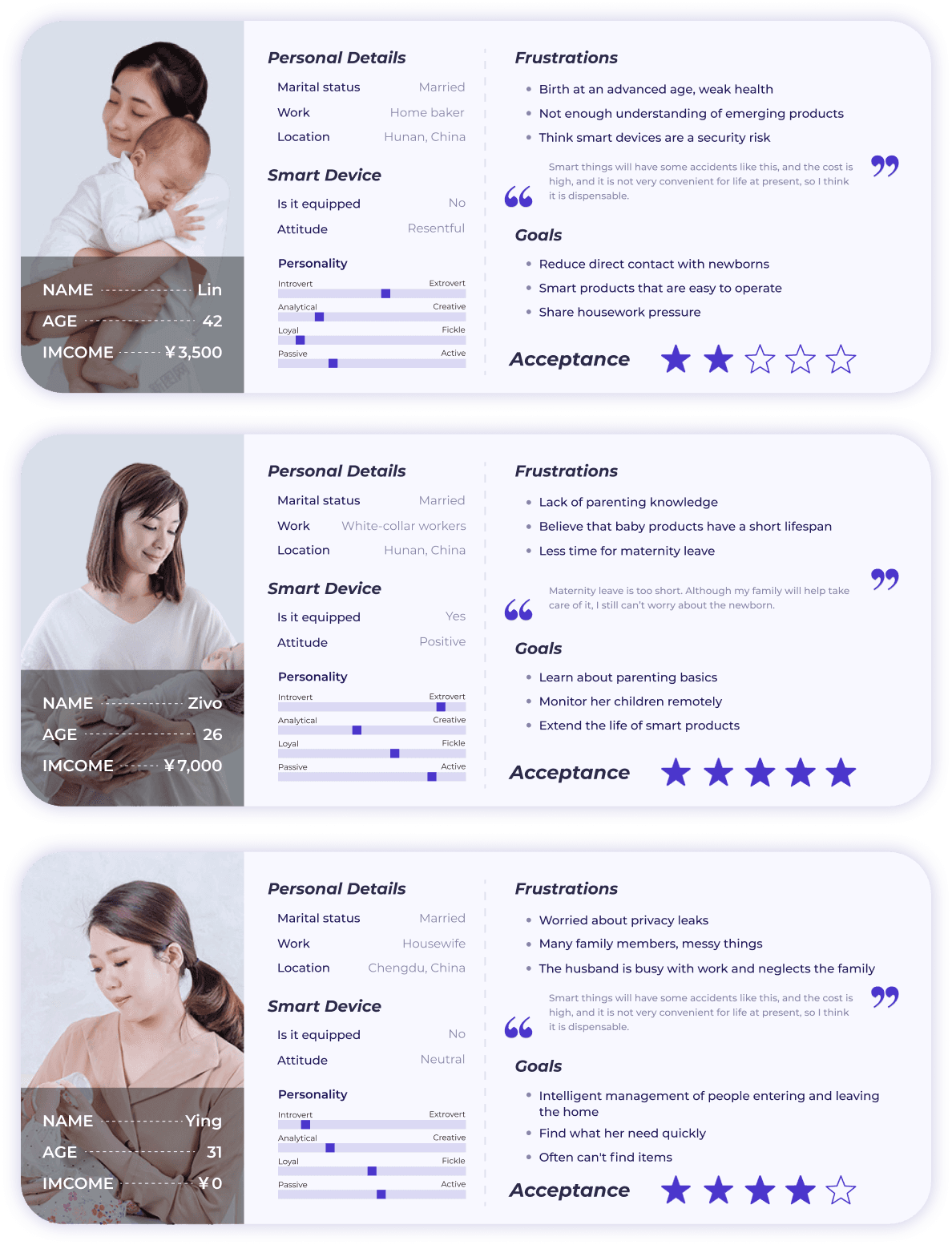
The questionnaire showed that 46% of women have experienced postpartum depression, so I interviewed three mothers who had experienced it, hoping to learn more about their needs.
User Insights
Persona
User Needs
Concept
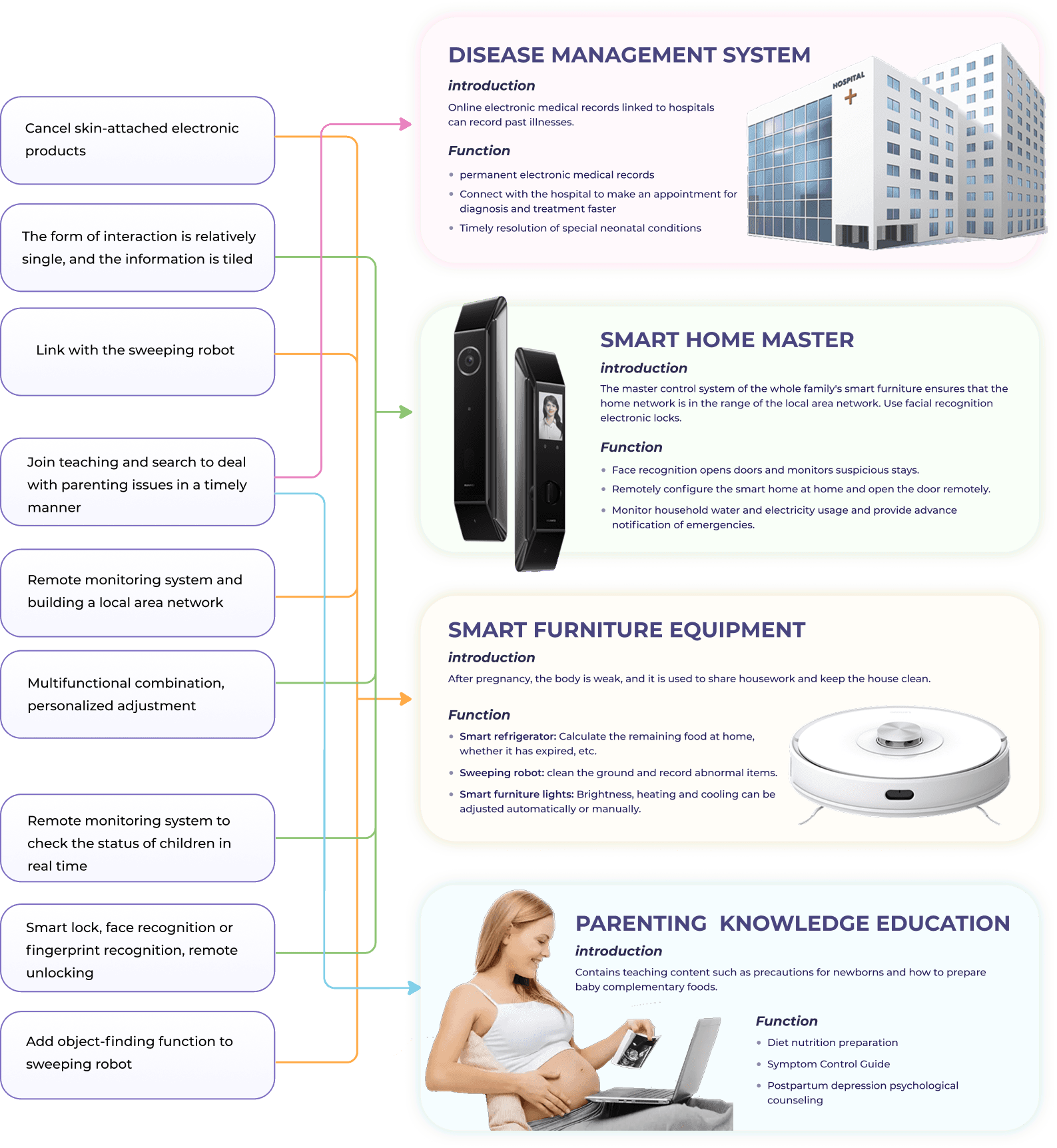
We want to create a whole-house intelligent dashboard management system
The design considers both the baby’s and the parents’ needs.
On the baby side, the system focuses on health monitoring and virus detection, connecting data to smart devices to ensure safety and real-time care.
On the parents’ side, the system aims to protect mental health and reduce daily burdens by supporting rest, cooking, and education tasks, helping parents achieve a better balance between caregiving and personal well-being.
Rechargeable magnetic screen
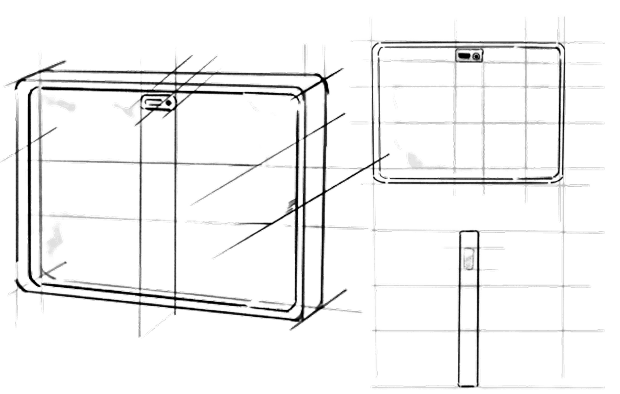
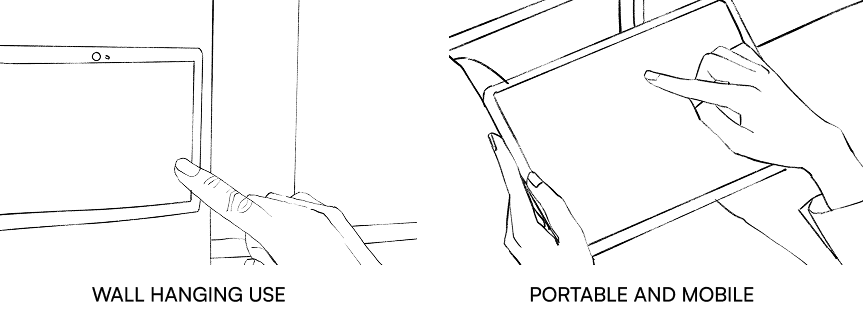
It can be hung on the wall and used with a touch screen, and the magnetic suction on the back can be charged at any time. It is more convenient to take it off and carry it to other places. It is more convenient for studying such as preparing food and raising children.
User test 1
Work Flow
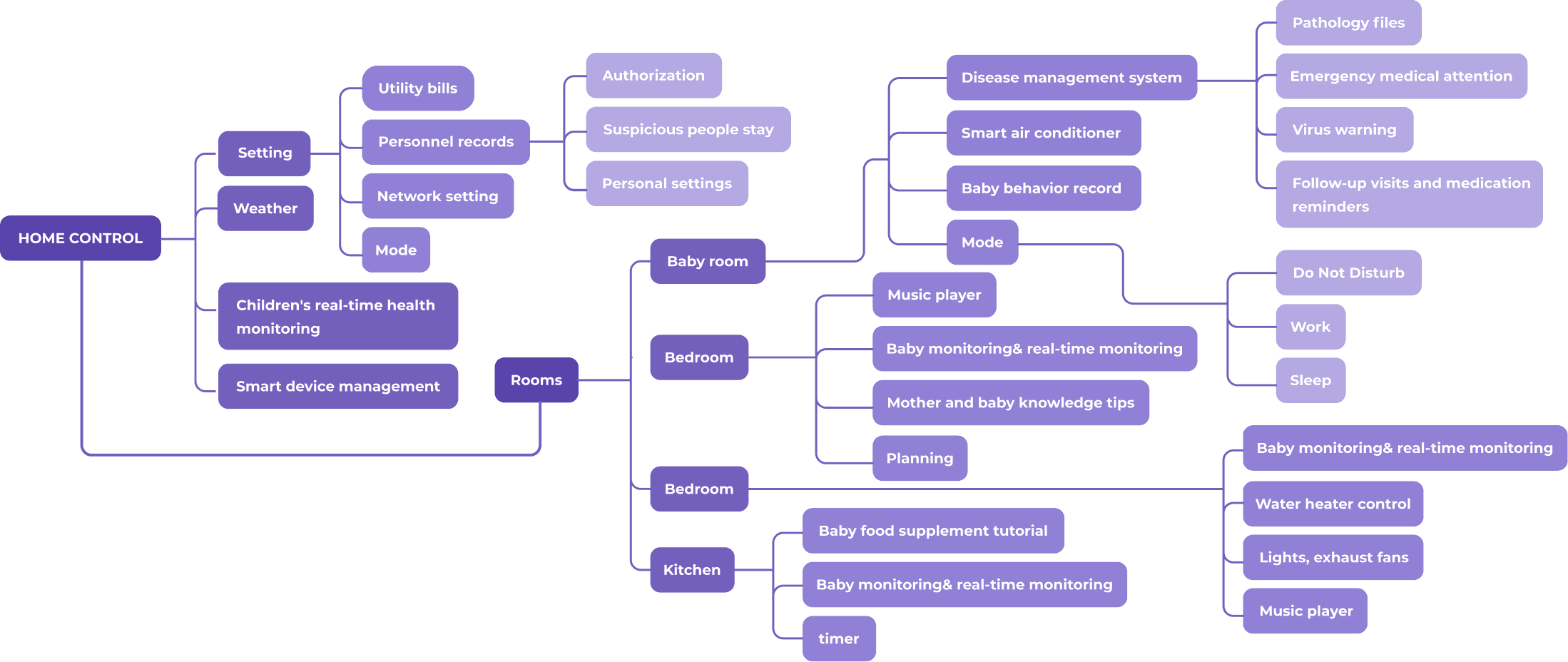
User Flow
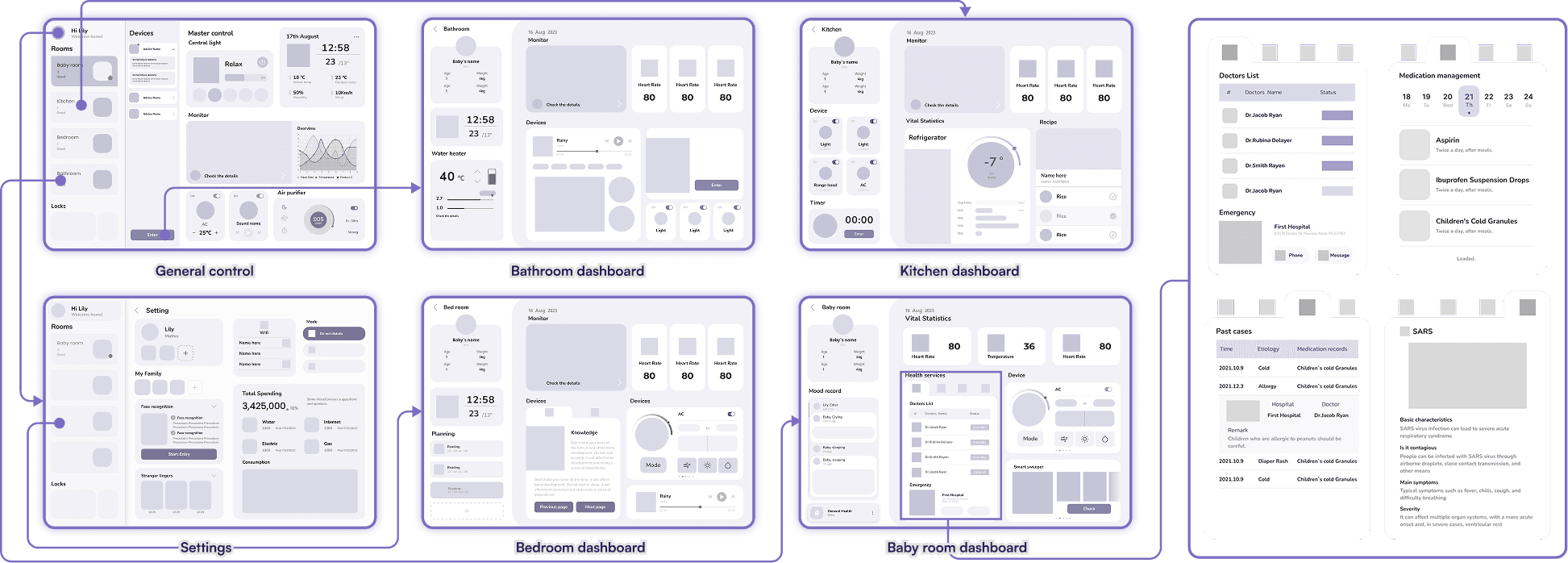
This user flow shows the overall structure of the smart home system, covering different functional dashboards such as general control, kitchen, bedroom, and baby room. Each interface supports real-time monitoring, device management, and health tracking to create a safer and more efficient family environment.
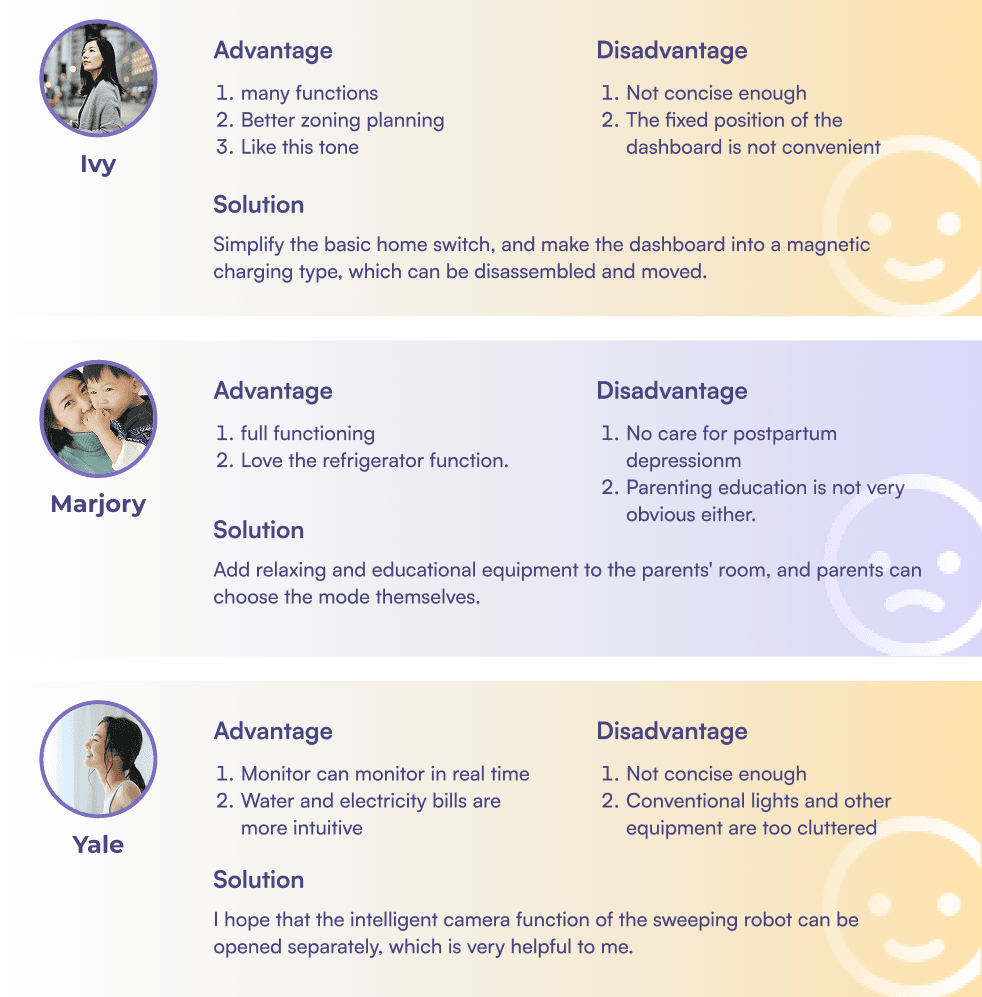
Feedback
Question: Should baby smart monitoring devices dominate in other rooms?
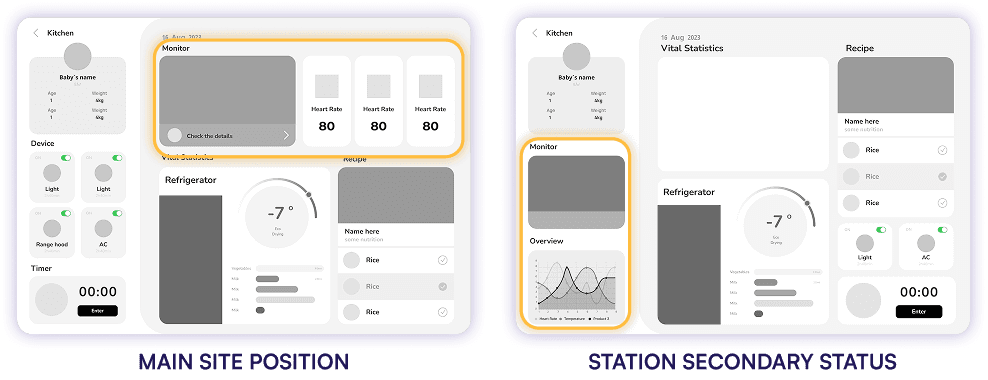
Through the voting survey, 82.3% of mothers chose to give priority to baby monitoring. To sum up, I chose to monitor the version that accounts for a large proportion for in-depth optimization.
Users enjoyed the obvious room-based layout, which helped to make navigation between rooms (bedroom, kitchen, baby room) simple and systematic.
A few students noted that the visual hierarchy was wanting—critical health statistics such as temperature and heart rate could be more salient.
A couple of users were overwhelmed by the number of dashboards and proposed merging functions that were similar (e.g., health status and patient data).
Parents also enjoyed the baby room dashboard, which they described as providing feelings of security due to its ability to monitor the baby's state and direct connection to physicians.
More than a few requested notification or voice alert options so that they do not miss important health news while multitasking at home.
User test 2
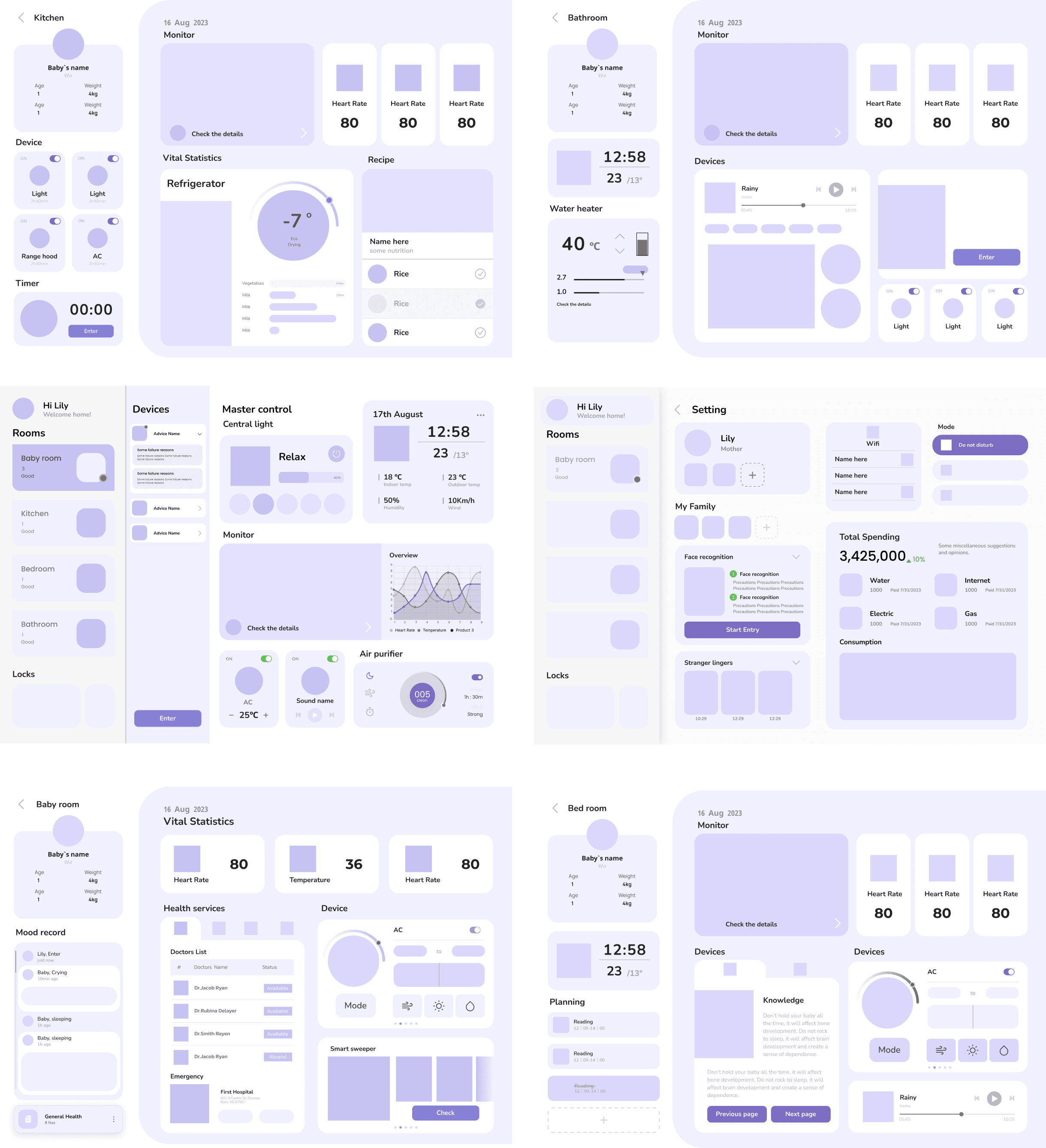
Low-fidelity
Feedback
Final
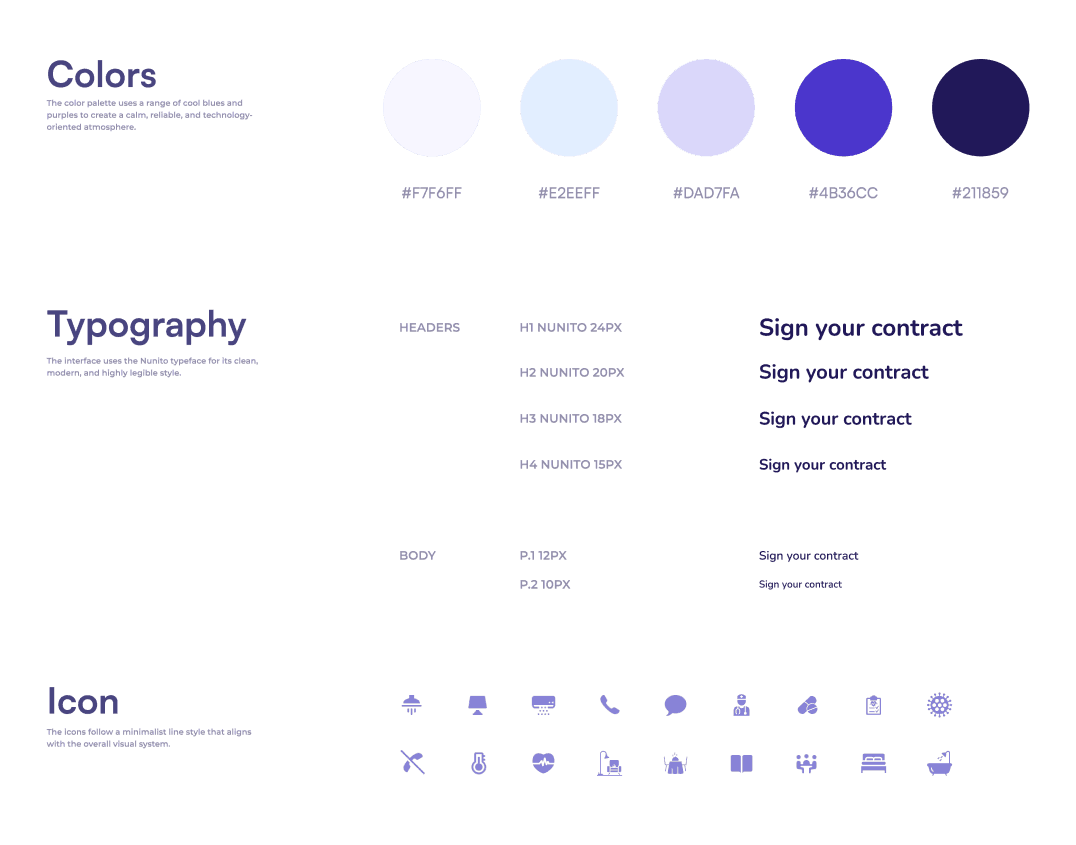
Style Guide
High-fidelity
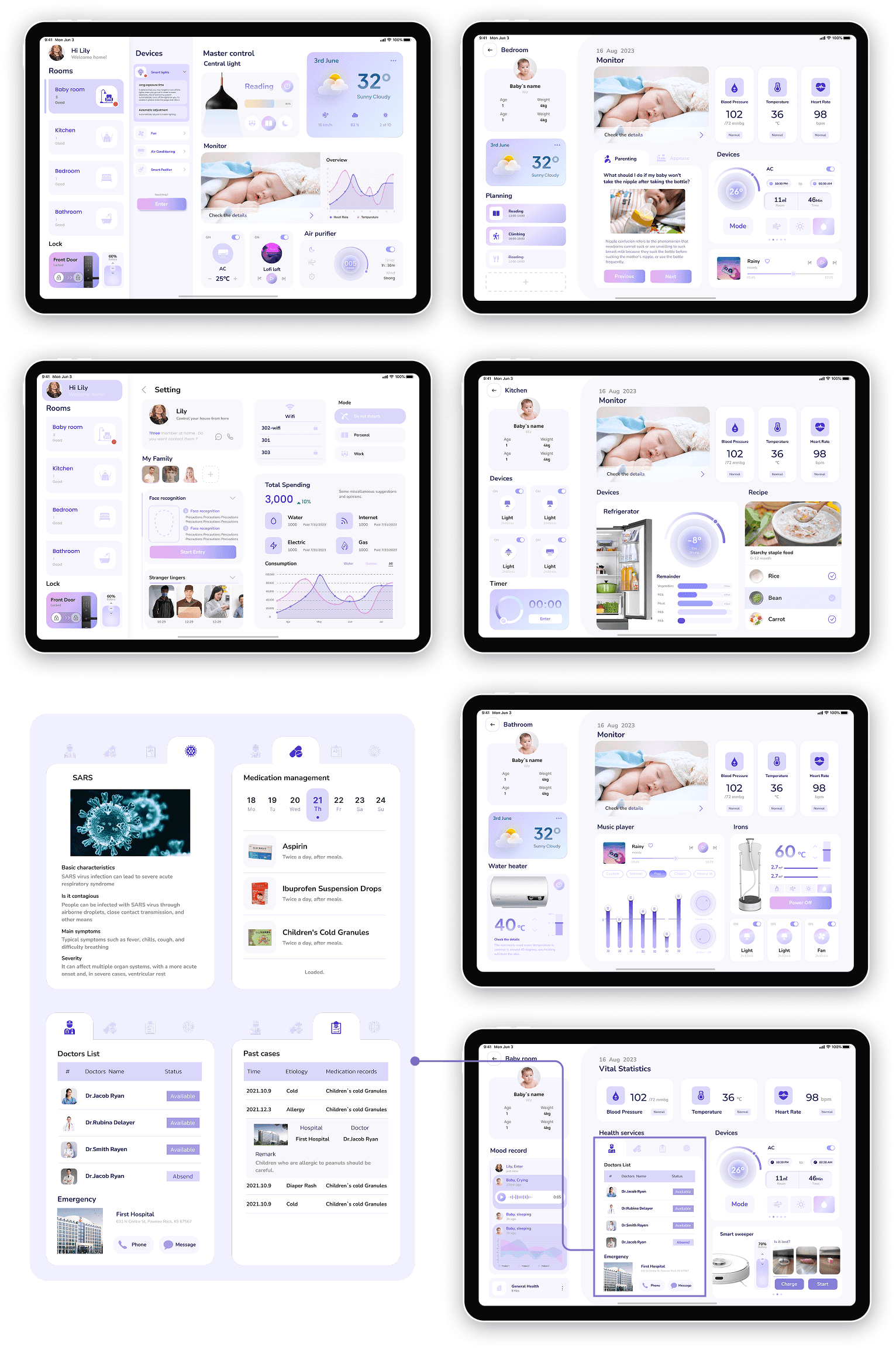
According to the research content and solutions, the final high-fidelity is determined.
It reduces the management of various lights in the home and increases the link with smart devices. Two panels are added to the parents' rest room, one for resting and one for learning parenting knowledge, which can be switched freely. It reduces the management of various lights in the home and increases the link with smart devices.
User Journey
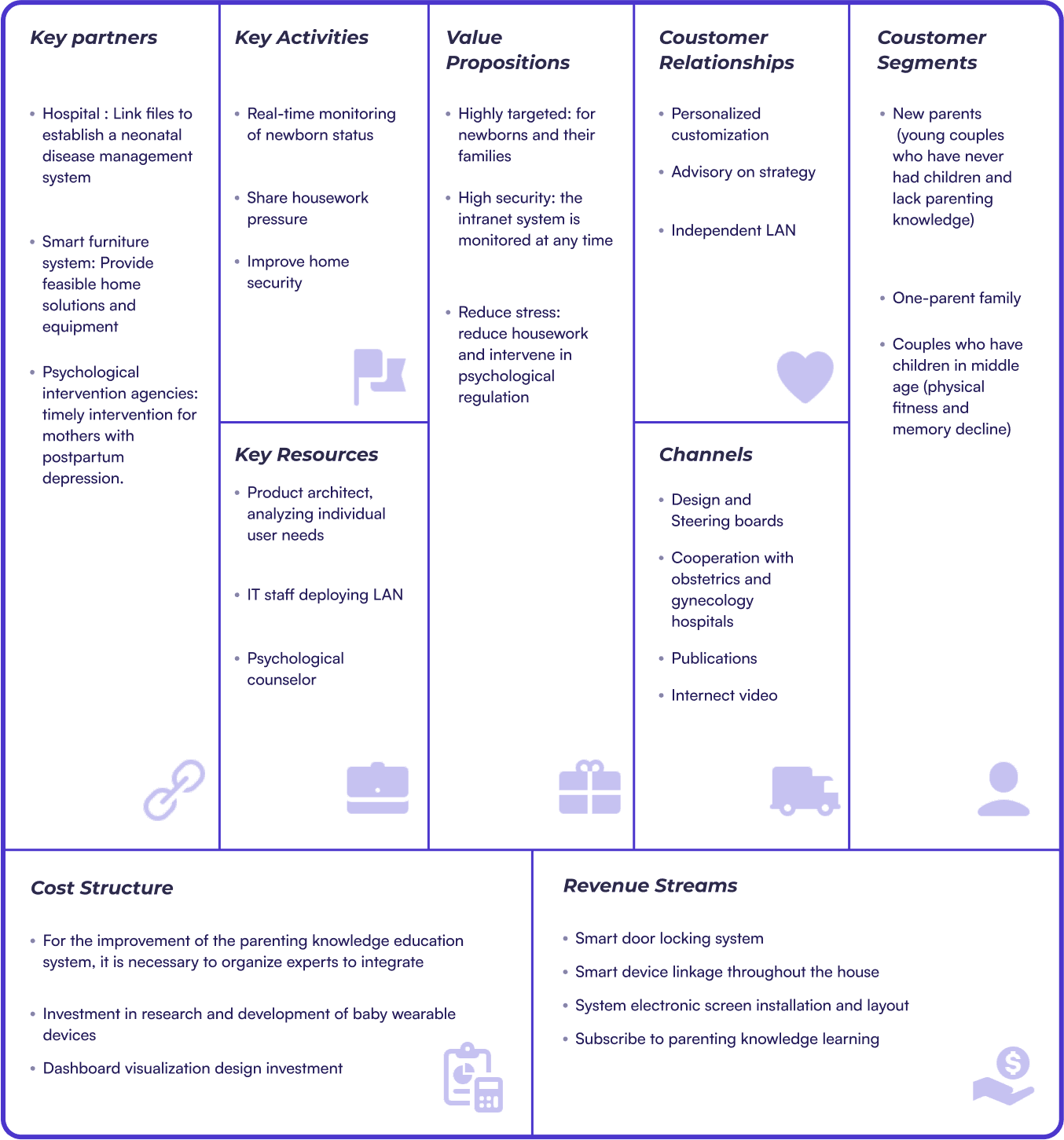
Business Canvas